A damaged tooth can affect more than your smile. It can make chewing uncomfortable, and it can also change how confidently you speak or laugh. Restorative dentistry aims to repair or replace teeth so that your mouth works the way it should again. At Dr Andre Wiid's practice in Knysna, restorative dentistry addresses teeth that have been weakened by decay, injury, or wear.
Restorative dentistry focuses on rebuilding teeth that have lost strength or structure. When a tooth becomes damaged, treatment helps protect what remains while restoring its shape and function.
Some patients arrive with a cracked tooth, and others may have lost a tooth entirely. In these situations, restorative treatments provide practical solutions that support normal chewing and speaking.
Common treatments available at the practice include:
These treatments allow damaged or missing teeth to be repaired while maintaining the balance of your bite. Many restorative concerns first appear during a routine general dental examination, where early signs of wear or damage can be identified.
A dental crown protects a tooth that can no longer support itself. It covers the remaining tooth structure and restores its shape so that you can chew comfortably again.
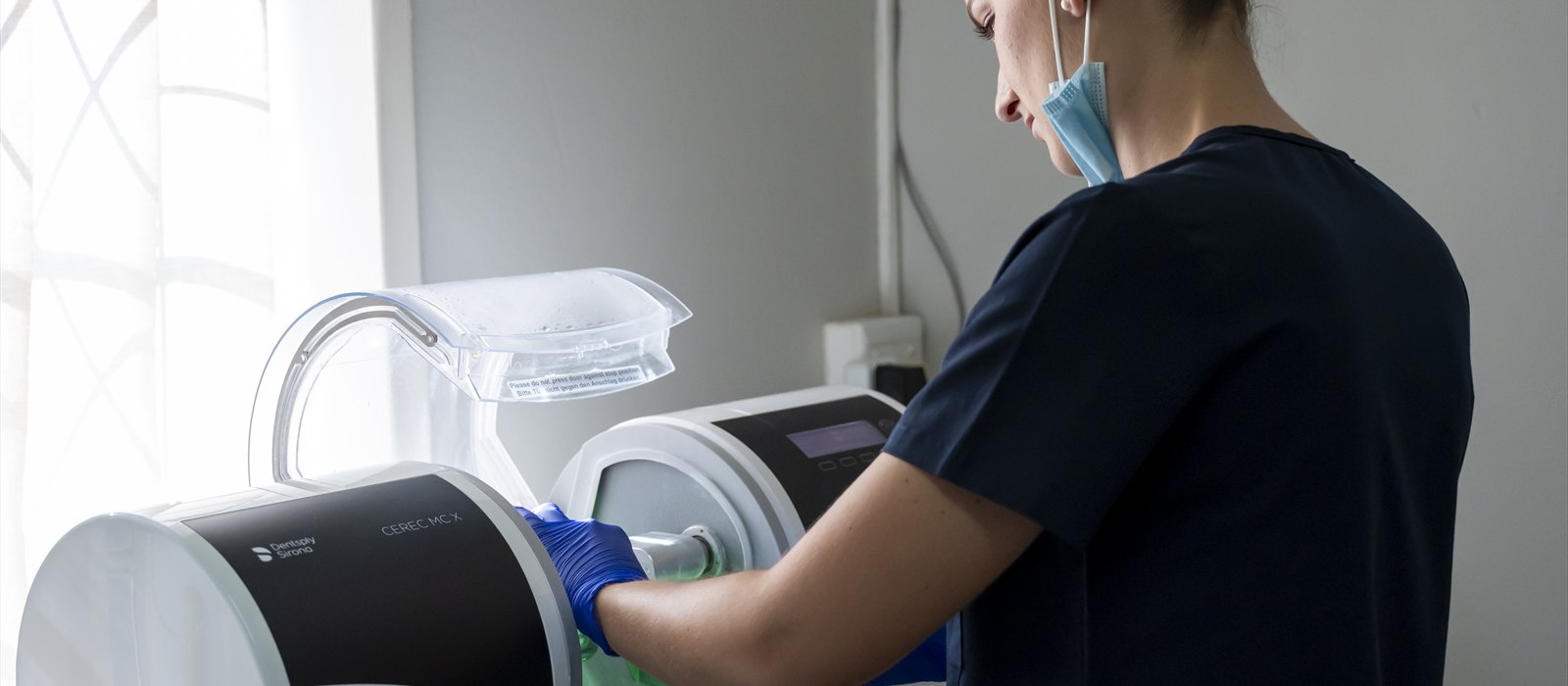
With modern CEREC crown technology, the crown can often be designed and produced during the same visit. This means your treatment may be completed in a single appointment rather than across several visits.
During the process:
The result is a restoration that supports the tooth while blending naturally with surrounding teeth.
Sometimes a tooth becomes too damaged to repair. When this happens, replacing the tooth helps maintain normal chewing and prevents neighbouring teeth from shifting.
A dental implant replaces the root of a missing tooth and supports a replacement crown above the gumline. The implant sits securely in the jaw and allows the new tooth to function similarly to a natural tooth.
Replacing missing teeth helps preserve the structure of your bite and supports long-term oral health. During an assessment, your dentist will discuss whether a restorative option such as a crown or implant is appropriate for your situation.
If the inner portion of a tooth becomes infected before a crown is placed, treatment such as root canal therapy may first be required to preserve the tooth.
Certain signs may indicate that a tooth requires restorative care. Pay attention to changes in how your teeth feel or function.
You may benefit from an assessment if you notice:
Addressing these concerns early can help prevent additional strain on surrounding teeth.
Regular dental visits, including a scale and polish performed by the oral hygienist, help identify these concerns before they worsen.
Your teeth should allow you to eat comfortably and smile with confidence. Restorative dentistry focuses on repairing damage and replacing missing teeth so that your mouth functions naturally again.
If you have a damaged tooth or would like to discuss options such as same-day crowns or dental implants, you are welcome to book an appointment with Dr Andre Wiid.